What to Do and What to Avoid After a Facial: The First 72 Hours
By Aida Khazieva·Facials and Skin Care·14 min read·Real Skin Beauty, Irvine CA·Updated October 22, 2026
After a facial, keep your routine simple for 48 hours. Use a gentle cleanser, moisturizer and daily sunscreen, and do not touch or pick. Skip makeup until the next morning, the gym for 24 hours, and saunas, pools, retinol and acids for at least 48 hours. Then reintroduce your usual products one at a time.
Quick answer
Leave the treatment products on until evening, then cleanse gently.
Makeup: wait until the next morning, longer after extractions.
Gym after 24 hours; sauna, steam, hot yoga and pools after 48 hours.
Pause retinoids, acids and scrubs for 48 hours, 5 to 7 days after a peel.
Sunscreen every morning and no picking, even if a few bumps appear.
The Short Answer: Keep It Simple for 48 Hours
A facial leaves your skin clean, freshly exfoliated and more open to whatever you put on it next. That is good news for a hydrating serum and bad news for a strong acid, a heavy foundation or a sweaty workout. The first 24 to 48 hours are when most mistakes happen, so this is where I ask clients to slow down.
My basic rule is simple. For the first day, cleanse gently, moisturize, wear sunscreen and leave your face alone. For the second day, keep the same routine and add light makeup if you need it. From about day three, if your skin feels normal, you can return to your usual products one at a time. If your facial included extractions or a peel, stretch each step a little longer.
The details depend on the type of facial you had, your skin type and how your skin looked when you left the studio. Below I go through each part: makeup, exercise, actives, sun, picking and what a few bumps afterward mean.
The five rules I give every client
Do not touch, pick or squeeze anything.
Use only a gentle cleanser, a moisturizer and sunscreen for the first day.
Skip heat and heavy sweat for 24 hours.
Pause retinoids, acids and scrubs for at least 48 hours.
Wear sunscreen every morning, even if you stay mostly indoors.
Why the first two days matter most
During a facial, I cleanse, exfoliate, sometimes extract and then apply products that hydrate and calm. For a short time afterward, the outer layer of the skin is thinner and the barrier lets products and irritants in more easily. This is part of why skin looks so fresh after a treatment. It is also why the same skin reacts more to heat, friction and strong ingredients. Most of that sensitivity fades within one to three days, depending on the treatment and your skin.
Hour by Hour: The First 72 Hours
Here is the timeline I walk clients through after most facials. It is a general guide. If I give you different instructions after your visit, follow those, because they are based on what I saw on your skin that day.
Time after facial
Do
Avoid
First 6 hours
Leave the products I applied; drink water; keep hands off your face
Washing your face, makeup, touching, gym, sauna
Evening of day 1
Gentle cleanser with lukewarm water, light moisturizer, clean pillowcase
Exfoliants, retinoids, acids, face masks, hot showers on the face
Day 2 (24 to 48 hours)
Same simple routine; sunscreen in the morning; light makeup if needed
Intense workouts, hot yoga, steam rooms, scrubs, new products
Day 3 (48 to 72 hours)
Return to your normal routine if skin feels calm; reintroduce one active
Adding several actives at once, picking at any bumps
After 72 hours
Full routine, regular exercise, normal makeup
Over-exfoliating to keep the glow
A little pinkness on the first afternoon is common, especially after massage, steam or extractions. It usually settles within hours. If redness, stinging or swelling is getting worse rather than better on day two, call the studio, and if you see signs of infection such as spreading heat, pus or fever, contact your physician.
Washing Your Face After a Facial
Many people ask whether they should wash off the products from the treatment. In most cases, no. The serums, masks and moisturizer I apply at the end are chosen for your skin after the treatment, so let them work for the rest of the day.
That evening, wash with a gentle, fragrance-free cleanser and lukewarm water. Use your fingertips, not a brush, sponge or washcloth. Pat dry with a clean towel. Then apply a simple moisturizer. If your skin feels tight, a hydrating serum under the moisturizer is fine.
Good choices: cream or gel cleansers without fragrance, ceramide moisturizers, hyaluronic acid serums, plain mineral sunscreen.
Not yet: foaming cleansers with strong surfactants, cleansing brushes, micellar wipes rubbed hard, toners with alcohol.
If you are unsure which basic products to use, my beginner skincare routine lists simple options that also work well after a facial.
For the first day after a facial, a gentle cleanser, a moisturizer and sunscreen are all your skin needs.
Sleeping after a facial
Put a clean pillowcase on the night of your facial. Pillowcases collect oil, hair products and bacteria, and fresh skin picks these up more easily. If you sleep on your side and tend to wake with creases or redness on one cheek, a smooth cotton or silk case helps. Skip heavy night masks and overnight peels for the first night. A plain moisturizer is enough, and a thin layer of a simple balm on dry patches is fine.
Makeup: When It Is Safe to Wear Again
I suggest waiting until the next morning before putting on makeup, and longer if you had extractions. Freshly cleaned pores and slightly warm skin take up makeup, oils and whatever is on your brushes. That can lead to clogged pores and small breakouts in the days after, which is the opposite of what you wanted from the facial.
If you have an event right after your appointment, tell me when you book. I can choose a gentler facial without extractions so you can wear light makeup the same evening. My article on how long before an event to get a facial covers this timing in detail.
If you must wear makeup on day one
Use clean brushes or a fresh sponge.
Choose a light, non-comedogenic tinted moisturizer or mineral powder rather than heavy foundation.
Skip primer with silicones if you are prone to clogging.
Avoid makeup directly on areas with extractions.
Remove it gently that night with a mild cleanser, no scrubbing.
Exercise, Sauna, Swimming and Heat
Heat and sweat are the two things that most often irritate skin after a facial. Exercise increases blood flow to the face, which can bring back redness. Sweat sitting on freshly exfoliated skin can sting and may clog pores. Chlorine in pools dries the skin, and hot tubs and saunas add both heat and bacteria exposure.
Activity
When it is usually fine
Why wait
Walking, light stretching
Same day
Minimal heat and sweat
Gym, running, cycling
After 24 hours
Sweat and flushing can irritate and clog
Hot yoga, sauna, steam room
After 48 hours
Heat can prolong redness and sensitivity
Swimming pool
After 48 hours
Chlorine dries and irritates fresh skin
Ocean, hot tub
After 48 to 72 hours
Sun, salt and bacteria exposure
Long hot shower on the face
After 24 hours
Hot water strips moisture
Here in Orange County many clients like a beach walk or a workout after work. If you plan to exercise, book the facial on a rest day, or come in the evening so you can go straight home and sleep on calm skin.
Other treatments to space out
Facial waxing, threading, at-home dermaplaning and self-tanner on the face are all best postponed for about a week after a facial with exfoliation. Hair removal pulls on or scrapes skin that is already more sensitive, and self-tanner can grab unevenly on freshly smoothed skin. If you also have electrolysis or injectables planned, ask each practitioner how far apart they want the appointments. I usually suggest leaving a few days between a facial and any other treatment on the same area.
Retinol, Acids and Other Actives
Most professional facials include some level of exfoliation, whether enzymes, a mild acid, microdermabrasion or manual extraction. Your skin barrier is a little more permeable for a day or two afterward. Strong actives applied too soon can sting, cause redness and peeling, or lead to irritation that lasts longer than the facial glow.
I ask clients to pause these for at least 48 hours, and longer after a facial with a peel:
Retinol, retinal and prescription retinoids (ask your physician about prescription products)
Glycolic, lactic, salicylic and mandelic acids
Physical scrubs and cleansing brushes
Benzoyl peroxide, unless your physician has said otherwise
High-strength vitamin C if your skin stings easily
At-home peels and peel pads
Products that are usually fine right away are gentle hydrators: hyaluronic acid, glycerin, ceramides, panthenol, plain aloe and a basic moisturizer. Niacinamide is usually well tolerated, but if your skin feels warm, wait a day.
How to restart your routine
On day three, add back one active, the one that matters most to you. Wait two or three days before adding the next one. If anything stings or causes redness, step back for another two days. My guide to retinol for beginners explains how to ease back into retinoids slowly.
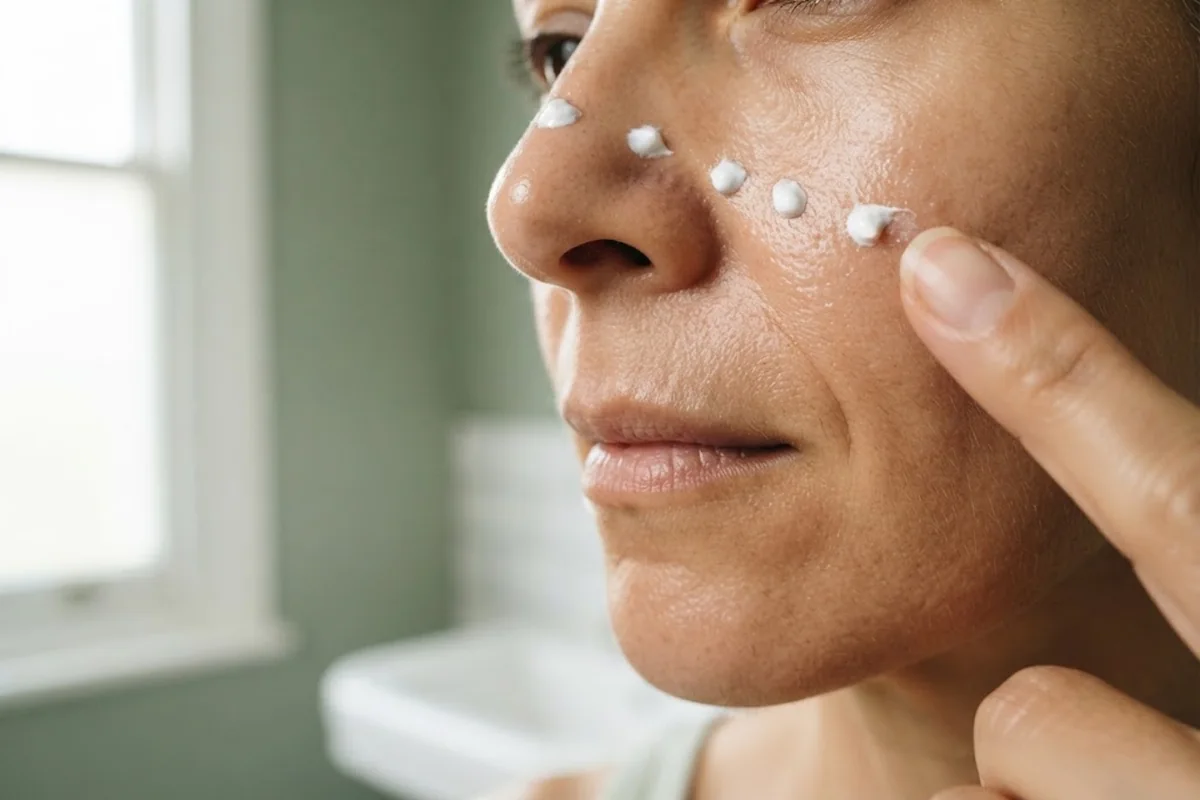
The products applied at the end of a facial are chosen for your skin, so leave them on for the rest of the day.
Sunscreen After a Facial
Freshly exfoliated skin is more vulnerable to sun damage. Even a light facial removes some surface cells that normally give a little protection, and any irritation can increase the risk of dark marks, especially for skin that tends to pigment.
Apply a broad-spectrum sunscreen every morning, SPF 30 or higher, and reapply if you are outside for long. Use a generous amount, about two finger lengths for the face and neck. In the first few days, many people find mineral sunscreens with zinc oxide or titanium dioxide gentler on sensitive skin. My article on mineral vs chemical sunscreen helps you choose.
Wear a hat for long walks, beach days and outdoor events.
Avoid tanning beds completely.
Remember that car windows do not block all UVA.
Southern California sun is strong year round, including winter.
Bumps, Breakouts and Purging After a Facial
A few small bumps in the days after a facial are not unusual, and they are the most common reason clients message me. There are a few possible reasons:
Congestion coming to the surface. Deep cleansing and exfoliation can bring clogs that were already forming to the surface sooner.
Irritation. Heat, sweat, makeup or new products on fresh skin can cause small red bumps.
Touching and picking. Hands carry bacteria and pressure damages pores.
A product reaction. Rarely, the skin reacts to a specific ingredient.
A few small whiteheads in the areas where you usually break out, which clear within a week, are usually congestion surfacing. Breakouts in new areas, spreading redness, itching or bumps that keep coming are different and worth a call. My article on skin purging vs breakout explains how to tell them apart.
Why picking is the biggest mistake
After a facial your skin is a little more fragile. Squeezing a bump pushes debris deeper, damages the surrounding tissue and can leave a dark mark that lasts weeks, longer than the bump itself. If something bothers you, apply a simple hydrocolloid patch, leave it alone and mention it at your next appointment.
What you see
Likely cause
What to do
A few small whiteheads in usual areas, days 2 to 5
Congestion surfacing
Leave alone; keep routine simple
Pinkness on day 1
Normal response to massage or extraction
Cool water, moisturizer, no makeup
Small red bumps after gym or makeup
Irritation and clogging
Skip heat and heavy products for a few days
Itchy rash or swelling
Possible reaction
Stop new products; call the studio; see a physician if it spreads
Painful, hot, spreading area
Not expected
Contact your physician
Dry, oily and sensitive skin after a facial
Your skin type changes the details. Dry skin may feel tight on the second day, so add a richer cream at night and a hydrating serum on damp skin. Oily skin may produce more shine as it rebalances; resist the urge to strip it with a strong cleanser, and use a light gel moisturizer instead. Sensitive and rosacea-prone skin can flush more easily, so keep water lukewarm, skip fragrance and avoid heat for the full 48 hours. If you know your skin is reactive, tell me before the treatment so I can choose a gentler approach, such as the sensitive skin facial.
Aftercare by Type of Facial
Not every facial asks the same of your skin. A hydrating facial is very gentle, a deep cleansing facial with extractions needs more care, and a facial with a peel needs the most. Here is how I adjust the advice.
Type of facial
What to expect
Extra care
Hydrating or calming facial
Plump, dewy skin, little or no redness
Makeup is often fine the next morning; return to actives after 48 hours
Deep cleansing facial with extractions
Some pinkness around nose and chin, possible small marks
No makeup on extraction areas for 24 hours; no picking; no gym for 24 hours
Acne facial
Calmer congestion over days; a few spots may surface
Keep acne actives paused for 48 hours unless your physician says otherwise
Facial with a light peel
Tightness, possible light flaking from day 2 or 3
Pause actives for 5 to 7 days; strict sunscreen; do not peel flakes
Microdermabrasion or dermaplaning
Smooth, slightly sensitive skin
Gentle routine for 48 hours; sunscreen; no scrubs for a week
For a facial that included a peel, read the more detailed advice in my chemical peel recovery timeline. Peeling skin should be left to come off on its own. Pulling it can leave pink patches that take longer to settle.
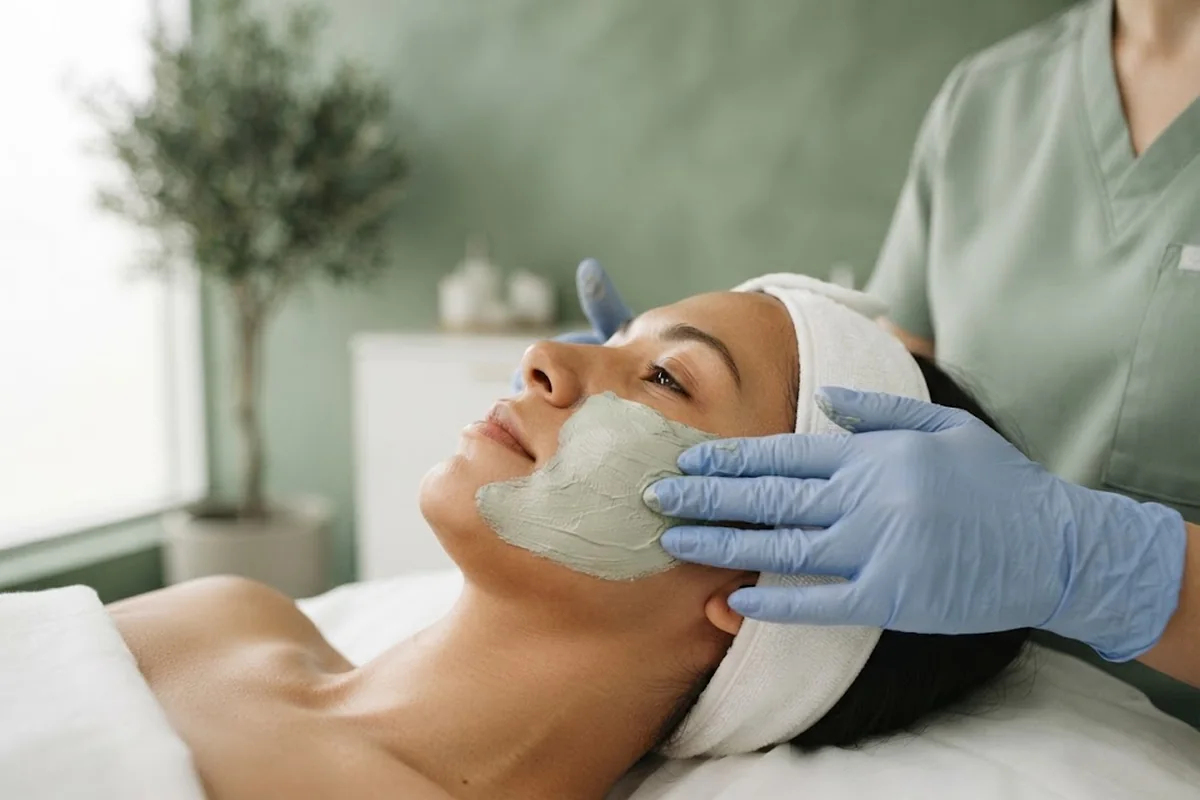
Freshly exfoliated skin needs a generous layer of broad-spectrum sunscreen every morning.
What to Avoid After a Facial: A Checklist
Touching your face throughout the day
Picking, squeezing or using pore strips
Exfoliating scrubs, brushes and peel pads for at least 48 hours
Retinoids and acids for at least 48 hours, longer after a peel
Heavy makeup on the first day
Gym and heavy sweat for 24 hours
Sauna, steam, hot yoga and pools for 48 hours
Sun exposure without sunscreen
Waxing, threading or dermaplaning at home on the face for about a week
Trying several new products the same week
Sleeping on an old pillowcase; switch to a clean one that night
The checklist looks long, but most of it comes down to one idea: let your skin rest for a couple of days. The calmer the first 48 hours, the better your skin tends to look by the end of the week.
Questions to ask before you leave the studio
Did you do extractions, and where?
Was there any acid or peel in today's treatment?
When can I restart my retinol or acids?
Is it fine to wear makeup tonight or tomorrow?
Which product from my routine should I skip this week?
When should I book my next facial?
Writing the answers down or asking for them in a message saves guessing later. Clients who know exactly what was done tend to make fewer aftercare mistakes.
Between Facials: Keeping Your Skin on Track
What you do at home in the weeks between appointments matters as much as the facial itself. A simple, consistent routine with a gentle cleanser, a moisturizer suited to your skin, one or two targeted actives and daily sunscreen supports everything we do in the treatment room.
Most people do well with a professional facial every four to six weeks, matching the skin's renewal cycle. My guide on how often to get a facial explains how to adjust that for acne, dry skin or anti-aging goals. If you are not sure which treatment fits you, the facials page lists the options at the studio, from the Hydrating Facial at $110 to the HydraFacial at $165.
At Real Skin Beauty in Irvine I give every client written aftercare that matches the treatment they had that day. If anything looks or feels wrong afterward, call the studio at (949) 444-6191. It is always better to ask early than to guess.
Frequently Asked Questions
+ What should you not do after a facial?
For the first 24 to 48 hours, avoid touching or picking your skin, heavy makeup, scrubs, retinoids and acids, the gym, saunas, steam rooms, hot yoga and pools, and sun without sunscreen. Keep to a gentle cleanser, moisturizer and sunscreen, then reintroduce your usual products one at a time.
+ How long after a facial can I wear makeup?
Waiting until the next morning is best, and up to 24 hours after a facial with extractions. If you need makeup the same day, choose a light, non-comedogenic tinted moisturizer or mineral powder, apply it with clean tools and avoid areas where extractions were done.
+ Can I work out after a facial?
Light walking is fine the same day. Wait about 24 hours before the gym, running or cycling, and about 48 hours before hot yoga, saunas, steam rooms or swimming. Heat and sweat can bring back redness, sting freshly exfoliated skin and clog pores.
+ When can I use retinol after a facial?
Wait at least 48 hours before restarting retinol or exfoliating acids, and about five to seven days if your facial included a peel. Restart with one active at a time. If you use a prescription retinoid, ask your physician when to resume.
+ Should I wash my face after a facial?
Usually not until the evening. Leave the serums and moisturizer applied at the end of the treatment on your skin for the rest of the day. That night, use a gentle fragrance-free cleanser with lukewarm water and your fingertips, then apply a simple moisturizer.
+ Is it normal to break out after a facial?
A few small whiteheads in your usual areas during the first days can happen as existing congestion comes to the surface, and they usually clear within a week. Breakouts in new areas, itching or worsening redness may mean irritation or a reaction, so contact your esthetician.
+ Do I need sunscreen after a facial?
Yes. Exfoliated skin is more vulnerable to sun damage and dark marks. Apply a broad-spectrum SPF 30 or higher every morning, use a generous amount, reapply outdoors and wear a hat. Many people find mineral sunscreen gentler in the first few days.
+ How long does redness last after a facial?
Mild pinkness after massage, steam or extractions usually fades within a few hours to the next day. If redness, stinging or swelling gets worse on the second day, call your esthetician. Spreading heat, pus or fever should be checked by a physician.
Licensed electrologist and cosmetologist with 20+ years of experience. Aida sees clients at Real Skin Beauty, 18021 Sky Park Circle, Suite N, Irvine, CA 92614.
Book a free consultation with Aida Khazieva at Real Skin Beauty in Irvine, CA. She will choose the right facial for your skin and give you written aftercare for the days that follow.
This article is for informational purposes and reflects Aida Khazieva's practitioner experience. It does not replace a personalized medical consultation. Individual results vary.
Questions? Aida Answers Them All.
Visit our FAQ or book a free consultation to discuss your specific skin and hair concerns.