Ingrown Hairs: Why They Keep Coming Back and When Electrolysis Helps
By Aida Khazieva·Electrolysis·16 min read·Real Skin Beauty, Irvine CA·Updated October 12, 2026
Ingrown hairs keep coming back because the same follicle keeps producing a hair that curls or breaks under the skin, usually after shaving, waxing or plucking. Exfoliating and changing your shaving habits can reduce them. Electrolysis can stop them for good in follicles it treats, because a follicle that no longer grows hair cannot grow an ingrown one. It is not right for every bump, and some need a doctor. Here is how to tell the difference, what to do at home, and how I approach ingrown hairs with clients at my Irvine studio.
Quick answer
Ingrown hairs repeat when the follicle, the hair type or the removal method stays the same. Gentle exfoliation, no picking and a different hair removal habit help. Electrolysis treats the follicle itself, so it can end ingrowns in the treated area. Painful, pus-filled or scarring bumps should be checked by a physician first.
What an Ingrown Hair Actually Is
An ingrown hair is a hair that grows back into the skin instead of out of it. There are two ways it happens. In the first, the hair exits the follicle, curls and re-enters the skin nearby. In the second, the hair never makes it out: the tip is trapped under a thin layer of skin or dead cells and keeps growing sideways. Either way, your body treats the hair as a foreign object and sends in inflammation. That is the red, tender bump.
The medical name for the form that affects the beard area and neck is pseudofolliculitis barbae, often called razor bumps. The same process happens in the bikini area, underarms, legs and chin.
Ingrown hairs are more common when hair is curly or coarse, because a curved hair is more likely to bend back toward the skin. Hair texture is genetic. No product changes it, which is why many people feel stuck in a cycle.
The Biology: Why a Curved Hair Gets Trapped
Dermatologists describe two routes for an ingrown hair. In the first, the hair grows out of the follicle, curves, and its sharp tip pushes back into the skin nearby. In the second, the hair never leaves the follicle properly: the tip pierces the follicle wall and grows into the surrounding tissue. In both cases the immune system reacts to the hair as if it were a splinter.
The shape of the follicle sets the stage. A follicle that is curved or set at a shallow angle sends the hair out sideways, close to the skin surface. Tightly curled hair then has a short trip before it bends back. This is why ingrown hairs cluster in people with coiled or wavy hair, and in areas where hair is naturally coarse, such as the beard line, groin and underarm.
Shaving makes it worse for a simple reason. A razor cuts the hair at an angle and leaves a pointed tip. A tapered natural tip tends to bend away from the skin, while a cut tip is more like a needle. Close shaving, which pulls the skin taut and trims the hair slightly below the surface, lets the cut end retreat under the skin before it has grown out again.
Inflammation around a trapped hair also changes the skin. Repeated irritation can thicken the surface and darken it, which then makes it harder for the next hair to escape. That loop is why a spot that has flared a few times seems to keep flaring.
Why They Keep Coming Back
Most people who ask me about ingrown hairs have already tried scrubs, creams and new razors. They come back because one or more of these causes is still active:
Shaving too close. A blade that pulls the skin taut cuts the hair below the surface. As it grows, the sharp tip can pierce the skin.
Waxing, plucking and threading. Pulling a hair breaks it or removes it at an angle. The new hair has to grow back through a follicle that may be irritated or slightly bent. The guide to shaving, plucking and waxing between sessions explains how each method affects the follicle.
Dead skin buildup. A layer of dry cells over the opening can trap a hair that would have come out normally.
Tight clothing and friction. Waistbands, leggings and straps press hair back toward the skin.
Curly or coarse hair. The hair itself is the reason. Habit changes reduce the number, but they do not remove the cause.
Hormone-driven hair. Coarse, new hairs that appear on the chin and jaw often curl and trap easily. If hair there is new for you, my article on why women grow facial hair explains the common causes.
When the cause is the hair type, the only way to end the cycle is to stop that follicle from producing hair. That is where electrolysis comes in.
Ingrown Hair, Folliculitis or Cyst?
Not every bump is an ingrown hair. Telling them apart changes what you should do.
Looks like
Likely cause
Typical features
What to do
Single red bump with a visible hair loop or dark line
Ingrown hair
Tender, can have a small pustule at the top
Warm compress, gentle exfoliation, do not dig
Many small red bumps, some with a hair in the center
Folliculitis (follicle infection or irritation)
Itchy or sore, in clusters, often after shaving or friction
Keep clean, stop shaving the area, see a physician if it persists
Deep, firm lump under the skin, no visible hair
Cyst or deeper inflammation
Can stay for weeks, may become painful
See a physician, do not squeeze
Recurring painful lumps in underarm or groin
Possibly another skin condition
Tunnels, repeated flares, scarring
See a dermatologist before any hair removal
If a bump is hot, spreading, draining pus or accompanied by fever, see a doctor. Do not try to treat that at home.
Gentle exfoliation and a calm routine are the first line of defense against ingrown hairs.
How Each Hair Removal Method Affects Ingrowns
Not every method treats the cause. This comparison covers the ones people usually try.
Method
Effect on ingrown hairs
Main limit
Close shaving
Often triggers them, because the cut tip is sharp and can slip under the skin.
Hair returns within days, and the cycle repeats.
Electric trimming
Fewer ingrowns, since the hair keeps some length and the skin is not scraped.
Leaves visible stubble.
Waxing, sugaring, threading
Can reduce stubble but may break hairs or pull them at an angle, so ingrowns still occur.
Repeats every few weeks, and regrowth can be uneven.
Chemical exfoliation
Clears dead cells over the follicle opening, which helps trapped hairs surface.
Works best on dark hair and results vary. Lighter hairs may remain.
Electrolysis
Treats the follicle itself, one hair at a time, on any hair color.
Takes multiple sessions, and the schedule depends on the area.
Exfoliation and a better shaving routine can reduce flare-ups, and I recommend them. They are management tools. If your goal is to stop the problem at the root, only the last row addresses it.
What Helps at Home
For the occasional ingrown hair, a few simple habits go a long way.
Apply a warm compress for 10 minutes. Warmth softens the skin and can let the hair surface.
Exfoliate gently, two to three times a week. A soft washcloth, or a mild chemical exfoliant such as glycolic or salicylic acid. I explain how acids work in the glycolic peel section below.
Do not pick or squeeze. Digging with fingernails or a needle opens the skin, invites infection and often leaves a dark mark that lasts longer than the bump.
If you can see a loop of hair, lift only the tip. Use clean, sterilized tweezers and release the hair without pulling it out. If it does not release, leave it.
Change your shaving routine. Use a sharp single blade or an electric trimmer, shave in the direction of growth, and do not stretch the skin.
Moisturize. Hydrated skin lets hairs through more easily.
Stop using retinol, acids and scrubs on the area 48 hours before an electrolysis session. Inflamed skin from over-exfoliating is as unwelcome on the table as razor burn.
How Electrolysis Helps With Ingrown Hairs
Electrolysis treats the cause, not the bump. A sterile probe goes into each follicle, and current destroys the cells that produce hair. A follicle that has been treated effectively cannot grow another hair, curled or otherwise. Electrolysis is FDA-recognized permanent hair removal, and it works on any hair color and skin tone.
That matters for ingrown hairs in three ways:
It ends the cycle in treated follicles. There is no hair to curl, so no new ingrown from that follicle.
It replaces shaving and waxing. As the hair thins, you stop the habits that caused the problem, and the skin gets a chance to heal.
It handles coarse, curly hair. This is the group that struggles most with razors, and electrolysis treats the hair one follicle at a time, regardless of curl.
Honest limits: it takes multiple sessions, because hairs are at different stages of growth. A follicle that has been distorted by years of waxing can be harder to treat, and a few hairs may need a second pass. Results vary, and I do not guarantee a number of sessions. Many clients find ingrowns become less frequent as the area clears. The sessions guide explains what drives the count. If you are also comparing methods, the electrolysis vs laser comparison is worth a read, since laser works best on dark hair and may leave lighter hairs behind.
Areas Where Ingrowns Are Most Common
Ingrowns collect where hair is coarse and friction is high.
Bikini line and Brazilian: Dense, curly hair, tight clothing and frequent waxing make this a classic trouble spot. Electrolysis is available for bikini and Brazilian zones.
Underarm: Constant friction and deodorant residue. Underarm electrolysis is a 45 minute session.
Chin and jawline: Hormonal hairs are often coarse and curly. They also get plucked daily, which feeds the cycle.
Beard and neck: Common in men with curly facial hair who shave close.
Legs: Shins and thighs, especially after waxing.
Session prices at my studio follow the booking list. Underarm is $90 for 45 minutes, bikini is $110 and Brazilian is $130 for an hour, and chin is $65 for 30 minutes. Your plan depends on how dense the area is, and I give an honest estimate at the free consultation.
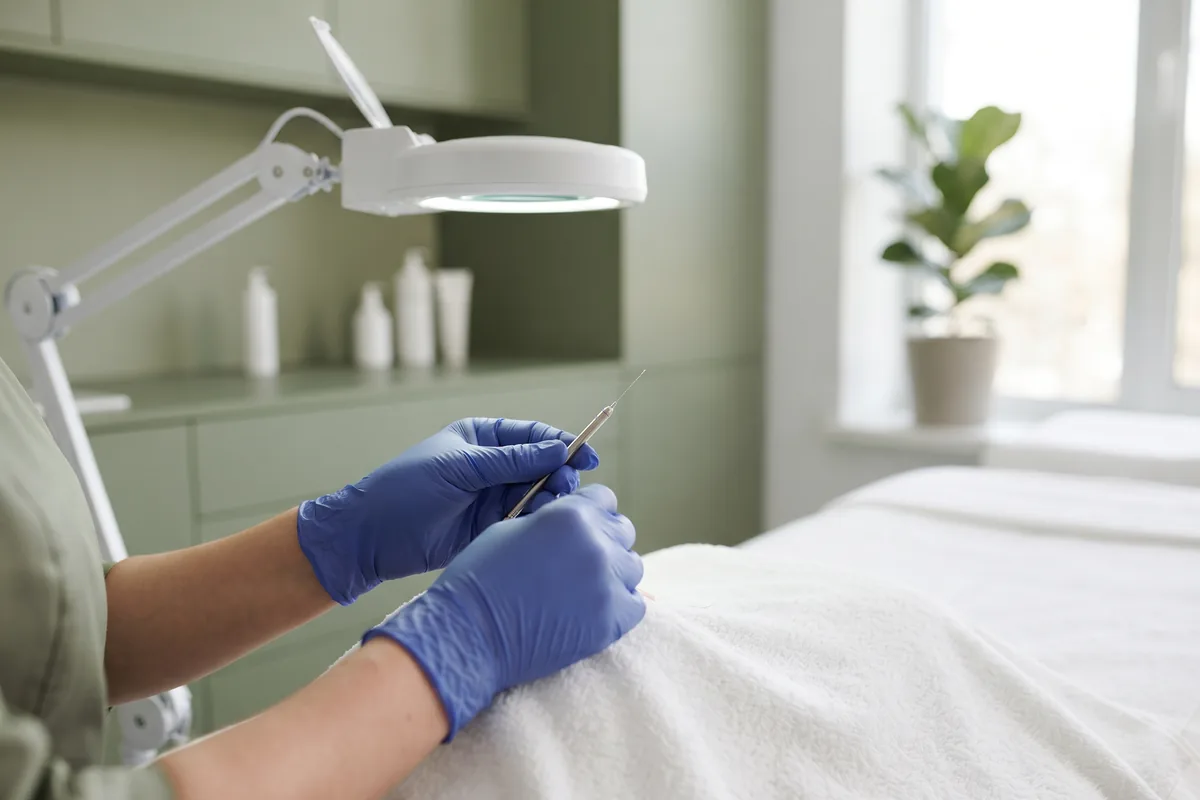
A fine sterile probe treats one follicle at a time, which is why electrolysis can help with stubborn ingrowns.
When to See a Doctor First
I want to be clear about this part. Electrolysis is a hair removal method, not a medical treatment for skin disease. See a physician or dermatologist first if:
Bumps are painful, deep, draining or keep recurring in the same spot.
You have repeated lumps in the underarm or groin, which can have causes unrelated to ingrown hairs.
Scars are raised, thick or itchy, or you have a history of keloids.
You are taking isotretinoin, or have recently, because your skin may be unusually fragile.
Bumps follow a new medication or hormonal change.
I will not treat over an active infection or open, inflamed skin. If your skin is in a flare, we wait until it calms. Sometimes that means a short break from shaving and a visit to a physician before we start.
What a Treatment Plan Looks Like
At the consultation I look at the area, check the hair density and look at the skin for pigment or scarring from past ingrowns. We then agree on a simple plan:
Stop pulling methods. No waxing, plucking or threading in the area.
Let hair reach a visible length. Usually a few days of growth.
Treat in short, regular sessions. Early sessions are commonly closer together, then spaced out as the hair thins.
Heal between sessions. Follow the aftercare guide, keep the area clean and avoid picking.
Dark marks left by old ingrowns often fade as the skin stops being irritated. Some marks need more time or a brightening routine. A glycolic peel is one option on a separate visit, once the area is healed.
If you live in Irvine, Tustin, Costa Mesa or anywhere in Orange County and have been fighting the same bumps for years, book a free consultation. You will leave knowing whether electrolysis is the right tool for your skin or whether you should see a doctor first.
Week by Week: What Treating an Ingrown-Prone Area Can Look Like
Every person is different, so treat this as an outline of how I plan, not a timetable.
Before you start: Stop waxing and plucking the area. Shave or trim until a few days before the first visit, then let the hair grow. If bumps are active, we wait for them to calm.
First session: I examine the hair under magnification, choose a method that suits the follicles and treat a manageable number of hairs. Trapped hairs are released with sterile instruments before treatment where possible.
First few weeks: The skin reacts the way it does after any session, with some pink dots and tiny scabs. Treated hairs shed over the next one to three weeks. You may notice fewer new bumps because fewer hairs are growing back into the same follicles.
The middle of the course: Hairs that were resting begin to surface and are treated as they appear. The area looks patchy, which is normal. Sessions often become shorter or further apart.
The later sessions: Only scattered hairs remain. Skin that spent years inflamed gets a chance to settle, and old marks begin to fade.
Daily Habits That Keep Bumps Down While You Wait for Results
Electrolysis is a course, not a single appointment, so the skin still needs care in the meantime. These habits make a visible difference.
Shower after sweating. Sweat and friction in leggings or a waistband irritate follicles. Change out of damp workout clothes soon after exercise.
Choose breathable fabric. Loose cotton on the bikini area and thighs reduces rubbing.
Cleanse gently. A mild, fragrance-free cleanser is enough. Harsh scrubbing inflames the skin and thickens the surface.
Exfoliate on a schedule, not on impulse. Two or three times a week is plenty. More than that tends to irritate.
Do not shave daily. Give the skin days between shaves, and use a trimmer when you can.
Never dig. If a hair will not release after a warm compress, leave it. A needle or fingernail opens the skin, and an infected bump costs more time than a trapped hair.
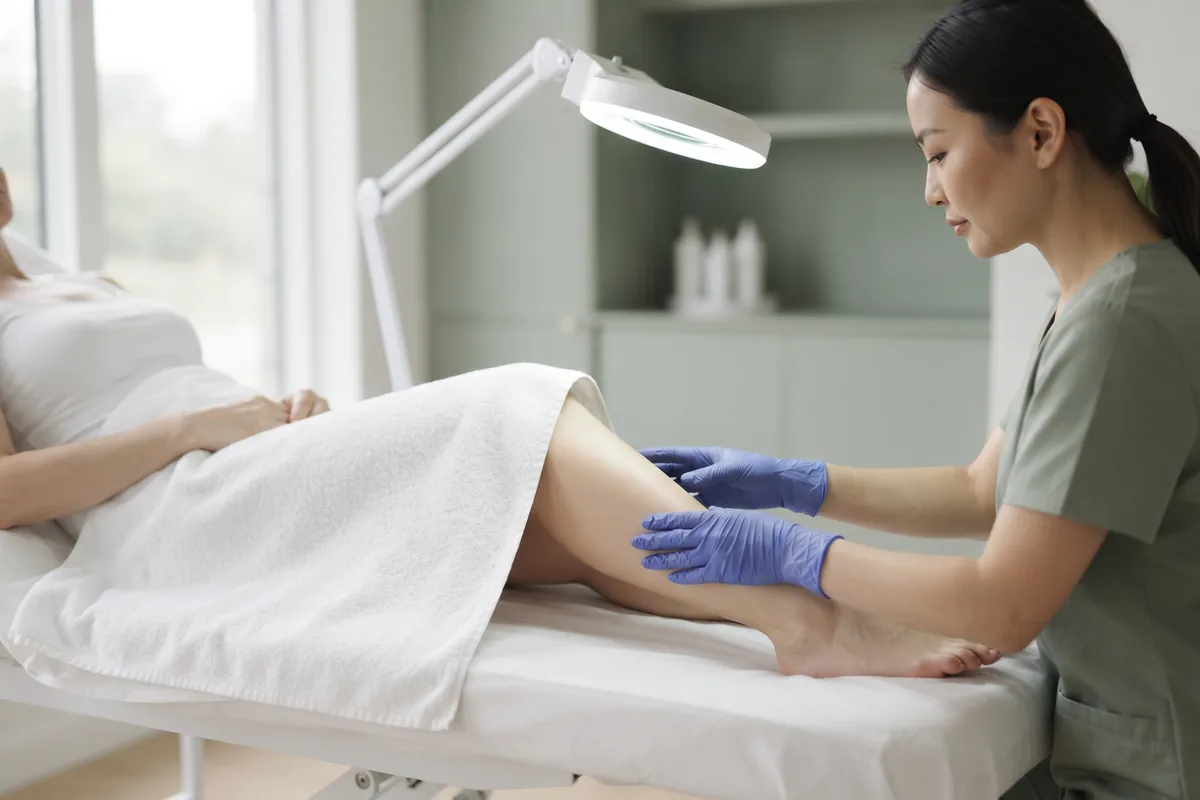
At the consultation I check hair direction, density and skin condition before planning treatment of a trouble spot.
Dark Marks Left by Ingrown Hairs
Many people come in less worried about the bumps than about the dark spots they leave behind. These marks are post-inflammatory hyperpigmentation: the skin overproduces pigment after being irritated. They are more visible on medium and deeper skin tones, and they are made worse by picking and by sun exposure.
Once the source of irritation stops, marks usually fade, but slowly. It can take months, and the timeline varies. What speeds things up is simple: daily sunscreen on exposed areas, no picking, and a calm, moisturized skin barrier. For a deeper explanation of options, read how to fade hyperpigmentation.
A gentle exfoliating treatment can help too, but only after the skin has healed and the area is free of active bumps. A glycolic peel is one option for suitable skin, and the glycolic acid peel guide explains who it is for. Peels are not done on the same day as electrolysis in the same area, and they are not suitable for everyone, so ask at your consultation.
Myths About Ingrown Hairs
"It is a hygiene problem." It is not. Ingrown hairs happen to clean, careful people, because the cause is hair shape and removal habits.
"Scrub harder." Aggressive scrubbing inflames the skin and can make the surface thicker, which traps more hairs.
"Plucking the hair out fixes it." It removes that hair for now. The follicle is still there, and the next hair tends to follow the same curve.
"Every red bump is an infection." Many are inflammation around a trapped hair. Infection shows up as heat, spreading redness, pus or fever, and that needs a physician.
"Only people with curly hair get them." Curly hair raises the odds. Straight hair can also be trapped when it is cut very short and the skin is dry.
"Laser always solves it." Laser can reduce dark hair, but it does not treat every hair, and light or fine hairs may stay.
Questions to Bring to Your Consultation
A good consultation is a conversation. These questions help you get the most from it:
Is this bump an ingrown hair, or should I see a physician first?
Which method will you use on my hair, and why?
What should I stop doing in this area before the first visit?
How long will each session take, and what does it cost? For reference, chin is $65 for 30 minutes, underarm is $90 for 45 minutes, and bikini is $110 for an hour.
How will you handle hairs that are already trapped?
What should I expect over the first month, and when should I contact you?
My consultations are free and last about 30 minutes. If you cannot come in, an online consultation is $50. Either way, bring a list of any medications and a note about how you currently remove hair.
Frequently Asked Questions
+ Why do I keep getting ingrown hairs in the same spot?
The same follicle is producing a hair that curls, breaks or gets trapped under dead skin, and the habit that caused it, usually close shaving or waxing, continues. Curly or coarse hair makes it more likely. Until the hair type or the removal method changes, the bump tends to repeat.
+ Can electrolysis stop ingrown hairs permanently?
Electrolysis is FDA-recognized permanent hair removal. A follicle that is fully treated stops producing hair, so it cannot produce an ingrown one. It takes multiple sessions because hairs are at different growth stages, and results vary by person and area.
+ Can I get electrolysis if I have an active ingrown hair or razor bumps?
If the area is inflamed, infected or painful, wait until it calms, and see a physician if the bumps are deep or draining. Electrolysis is not done over active infection. Mild irritation usually settles within days of stopping shaving.
+ How do I get rid of an ingrown hair fast?
Use a warm compress for 10 minutes a few times a day and exfoliate gently. If you can see a loop of hair, lift the tip with sterile tweezers, but do not dig or squeeze. Painful or pus-filled bumps need a physician.
+ Does waxing or shaving cause more ingrown hairs?
Both can. Close shaving cuts the hair below the surface, and waxing breaks hairs or pulls them at an angle. Electric trimming, a sharp single blade used with the grain and gentle exfoliation help, but they do not change the hair type that causes the problem.
+ Is it okay to pop or squeeze an ingrown hair?
No. Squeezing can push bacteria deeper, cause infection and leave a dark mark or scar. Use a warm compress, exfoliate gently and, if a loop of hair is visible, lift only the tip with sterile tweezers. Painful or pus-filled bumps need a physician.
+ How long does an ingrown hair take to go away?
Many settle within a few days to a couple of weeks once the hair surfaces or the irritation calms. Deeper bumps can last longer. See a physician if a bump is painful, spreading, draining or does not improve.
+ Does electrolysis work on curly or coarse hair?
Yes. Electrolysis treats one follicle at a time and does not depend on hair color or texture. Curly and coarse hair often needs a method chosen for the follicle shape, and treatment can take longer in dense areas.
Licensed electrologist and cosmetologist with 20+ years of experience. Aida sees clients at Real Skin Beauty, 18021 Sky Park Circle, Suite N, Irvine, CA 92614.
Book a free consultation with Aida Khazieva at Real Skin Beauty in Irvine, CA. She will look at your skin, tell you honestly whether electrolysis fits, and write a plan for the areas that trouble you.
This article is for informational purposes and reflects Aida Khazieva's professional experience. It does not replace a personalized medical consultation. Individual results vary.
Questions? Aida Answers Them All.
Visit our FAQ or book a free consultation to discuss your specific skin and hair concerns.